How often should you clean your water tank?
There is no single cleaning interval that suits every tank. Here are the factors that matter and how to judge the right schedule for your property.
Tank Sudda TeamPublished 3 min read
On this page
It is one of the most common questions we hear, and the honest answer is: it depends on your tank. Two houses on the same road can need very different schedules. This guide explains what affects the interval and how to work out a sensible routine for your property.
Why there is no single answer
A water tank collects material gradually. How quickly that happens depends on a few things that differ from property to property:
- The incoming supply. Some supplies carry more fine particles than others, and this can vary through the year.
- How well the tank is sealed. A loose or cracked lid lets in dust, leaves, insects and rainwater run-off.
- How much water is used. A tank that is filled and emptied often moves more water, and more particles, through it.
- The tank's age and material. Older tanks and rough internal surfaces can hold deposits more easily.
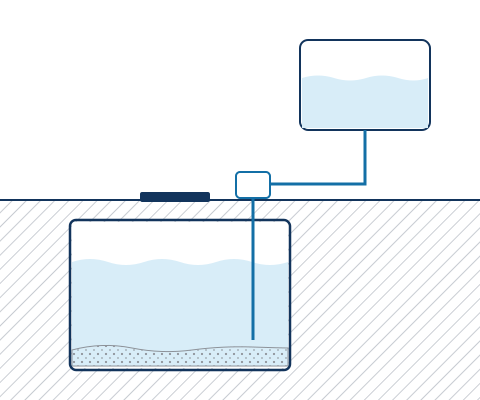
- Whether there is a sump. If water passes through an underground sump first, the condition of the sump affects the overhead tank too.
Because these factors combine differently in each home, a fixed rule can leave one tank cleaned too rarely and another cleaned more often than it needs.
A practical starting point
Many owners plan a clean at least once a year and then adjust based on what they see. If the tank is found to be in poor condition at that clean, shorten the interval. If it is consistently in good shape, the routine may be working well.
Keep a simple record of when the tank was cleaned and what condition it was in. After two or three cleans you will have a much better idea of the right interval than any general rule can give you.
Signs your tank may need attention sooner
Between scheduled cleans, look out for:
- Cloudy or discoloured water at the tap, especially after the tank refills
- Grit or particles in taps, showers or filters
- An unusual smell from the water
- A damaged, missing or poorly fitting lid
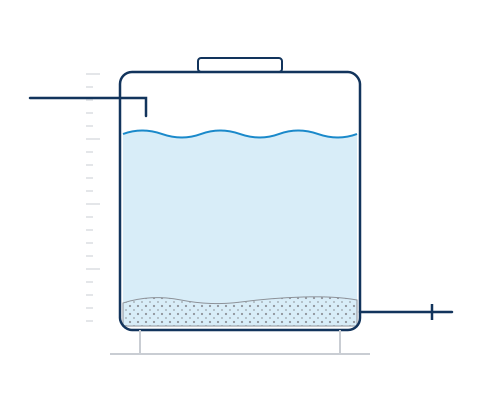
- Visible sediment, slime or staining when you look inside the tank
Any of these is a good reason to inspect the tank and consider bringing the next clean forward. If you are ever concerned about whether your water is safe to drink, seek advice from your water supplier or local public health authorities.
Deep cleaning as part of a routine
A deep clean empties the tank, removes the settled sediment and scrubs the internal surfaces. It is the right choice for a first clean or a neglected tank, and as a regular service once you know how quickly sediment builds up in your property.
Don't forget the sump
If your property has an underground sump, include it in your schedule. Cleaning the overhead tank while the sump stays dirty means sediment can be pumped straight back up. See our sump cleaning service for more detail.
Summary
- There is no universal interval; it depends on your supply, the tank and how it is used.
- Plan a regular clean, keep a record, and adjust based on what you find.
- Inspect between cleans and act on warning signs.
- Clean the sump and the overhead tank together where possible.
If you are not sure where to start, request a booking and we can suggest an interval after seeing your tank.