A simple water tank maintenance checklist
Easy checks you can do from outside the tank to keep it in good condition between professional cleans, and when to call for help.
Tank Sudda TeamPublished 2 min read
On this page
Professional cleaning removes what has built up inside a tank, but regular checks in between help keep it in good condition for longer. None of the checks below require you to enter the tank.
Every month
Look at the lid
The lid is the tank's first line of defence. Check that it is:
- In place and fully closed
- Free from cracks or broken edges
- Secured so wind cannot lift it
A gap of even a few centimetres can let in dust, leaves, insects and rainwater.
Check for leaks
Look around the tank base, inlet and outlet connections for drips, damp patches or staining. Small leaks waste water and can get worse over time.
Notice the water at the tap
Pay attention to whether the water looks clear and smells normal. Cloudiness, grit or an unusual smell is a sign to inspect the tank sooner.
Every few months
Inspect the overflow and vents
Overflow pipes and vents should have a screen or mesh in place so insects and small animals cannot get in. Replace damaged mesh.
Look inside from the opening
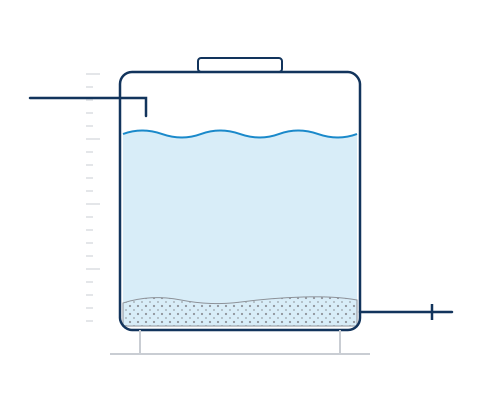
With the lid open and from a safe position outside the tank, use a torch to look at the floor and walls. Note whether you can see a sediment layer, staining or slime. Take a photo so you can compare next time.
Check the sump cover
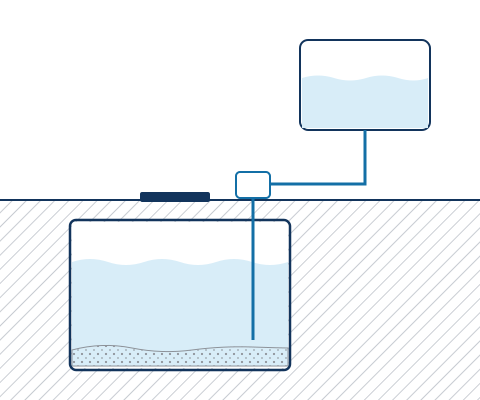
If you have an underground sump, make sure the cover is intact, fits well and is not exposed to surface water running into it during rain.
After heavy rain or supply interruptions
Supply interruptions and heavy rain can sometimes bring more particles into the system. If the water looks different afterwards, give it time to settle and check the tank. Persistent cloudiness is worth investigating.
Keep a simple record
Write down:
- When the tank and sump were last cleaned
- What condition they were in
- Any repairs made (for example a new lid or fittings)
This helps you judge how often your tank needs cleaning.
When to call a professional
Book a clean if you notice:
- A visible layer of sediment
- Slime, staining or growth on internal surfaces
- Ongoing cloudy water or grit at the taps
- That it has been a long time since the last clean
A deep clean removes settled sediment and cleans the internal surfaces. Remember to include the sump as well.
Safety reminder: Never enter a tank or sump yourself. Inspect from outside, and leave work inside to people who are properly equipped.