Understanding sediment in water tanks
What the layer at the bottom of your tank is made of, how it builds up, why it matters, and what you can do to slow it down.
Tank Sudda TeamPublished 2 min read
On this page
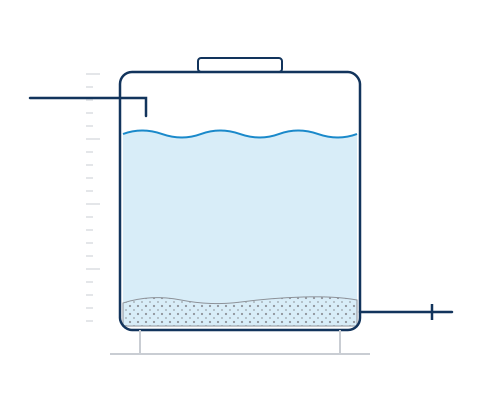
If you have ever looked inside a water tank that has not been cleaned for a while, you have probably seen a layer of fine, soft material on the floor. That layer is sediment. This article explains where it comes from and why it is worth removing.
What is sediment?
Sediment is the general name for solid particles that settle out of stored water. In a domestic tank it is usually a mix of:
- Fine silt, sand and clay carried in by the supply
- Rust or scale from pipes and fittings
- Dust, leaves and debris that enter through gaps in the lid
- Organic matter that can accumulate over time
The exact mix varies from property to property. It depends on the supply, the condition of the pipework and how well the tank is sealed.
How it builds up
When water sits still in a tank, heavier particles slowly sink to the bottom. Each time the tank refills, more particles arrive and the layer gets a little deeper. The process is gradual, which is why sediment often goes unnoticed until it is quite thick.
Incoming water can stir up the layer as the tank fills. This is one reason some people notice cloudy water or grit at the tap shortly after a tank refills.
Why it matters
A sediment layer:
- Can be stirred up and carried into your plumbing, taps and appliances
- Can clog filters, shower heads and fittings over time
- Makes it harder to keep the inside of the tank clean
- Hides the tank floor, so cracks or damage are harder to spot
Removing sediment regularly keeps the tank easier to maintain and helps you see its real condition.
Can I flush it out myself?
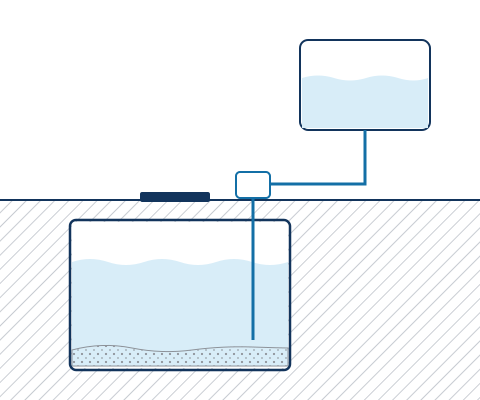
It is tempting to open the outlet and let the sediment drain away. The problem is that the outlet usually feeds your plumbing, so flushing pushes the material into the pipes you are trying to protect. Professional cleaning lifts sediment out of the tank instead.
For safety reasons, please do not climb into a tank or sump to clean it yourself. These are enclosed spaces, and working inside them needs the right equipment and precautions.
Slowing it down
You cannot stop sediment completely, but you can slow it down:
- Keep the lid closed, secure and in good condition.
- Make sure overflow and vent openings are screened.
- Keep the area around the tank and sump clean.
- Fix leaking or corroded fittings promptly.
- Clean the sump as well as the overhead tank.
Which service removes sediment?
A deep clean drains the tank, lifts the settled sediment out and scrubs the internal surfaces. If your tank is filled from an underground sump, include sump cleaning as well. If you are not sure what you need, describe your tank in the booking form and we will advise.