

Choosing a service
How to choose a water tank cleaning service
Questions worth asking before you hire anyone to clean your water tank or sump, and the answers that should give you confidence.
2 min read
Service
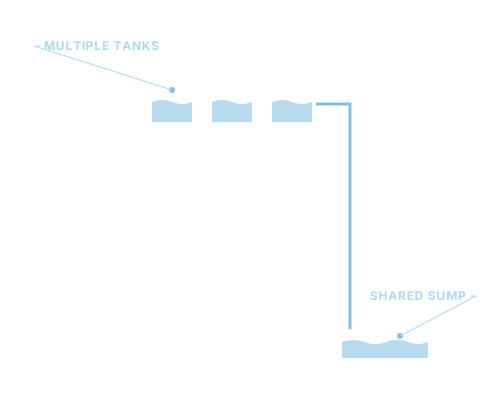
We survey each tank and sump, note capacities, access and condition, and identify how supply can be managed during the work.
You receive a scope of work and a quotation based on what was found on site, so everyone is clear on what is included.
We agree dates and times with you, including any notice that needs to be given to residents, staff or guests.
Tanks are cleaned in an agreed order, so that part of the supply can stay available where the system allows it.
We confirm what was completed and report any defects we observed, such as damaged covers, leaks or corroded fittings.
The biggest difference between domestic and commercial work is coordination. Turning off water in an apartment building or a hotel affects many people, so timing, notice and the order in which tanks are cleaned matter as much as the cleaning itself.
Share any constraints when you enquire, such as operating hours, quiet periods, security procedures or access permissions, and we will plan around them where we can.
Many organisations prefer cleaning on a regular cycle rather than waiting for a problem. If you would like to discuss a recurring schedule, mention it in your enquiry and we will talk through the options.
Read our preparation guide for more detail.
For apartment buildings, offices, schools and hotels, we agree the schedule with you in advance. Tell us about operating hours, notice periods and access arrangements when you enquire.
There is no single interval that suits every tank. It depends on the quality of the incoming supply, how much sediment builds up, whether the tank is well covered, and how many people use the water. Regular visual inspection is the best guide; many owners plan a clean at least once a year and adjust from there. We can suggest a sensible interval after seeing your tank.
The price depends on the service, tank capacity, number of tanks, access and the condition of the tank. Because these vary so much, we provide a quotation once we understand your tank. We usually work from the details in your booking request and arrange a site assessment for larger jobs.
Choosing a service
Questions worth asking before you hire anyone to clean your water tank or sump, and the answers that should give you confidence.
2 min read
Tank maintenance
There is no single cleaning interval that suits every tank. Here are the factors that matter and how to judge the right schedule for your property.
3 min read
Tell us about your property and tanks. We will review your request and contact you to confirm the details, the quotation and a date.